Intro :
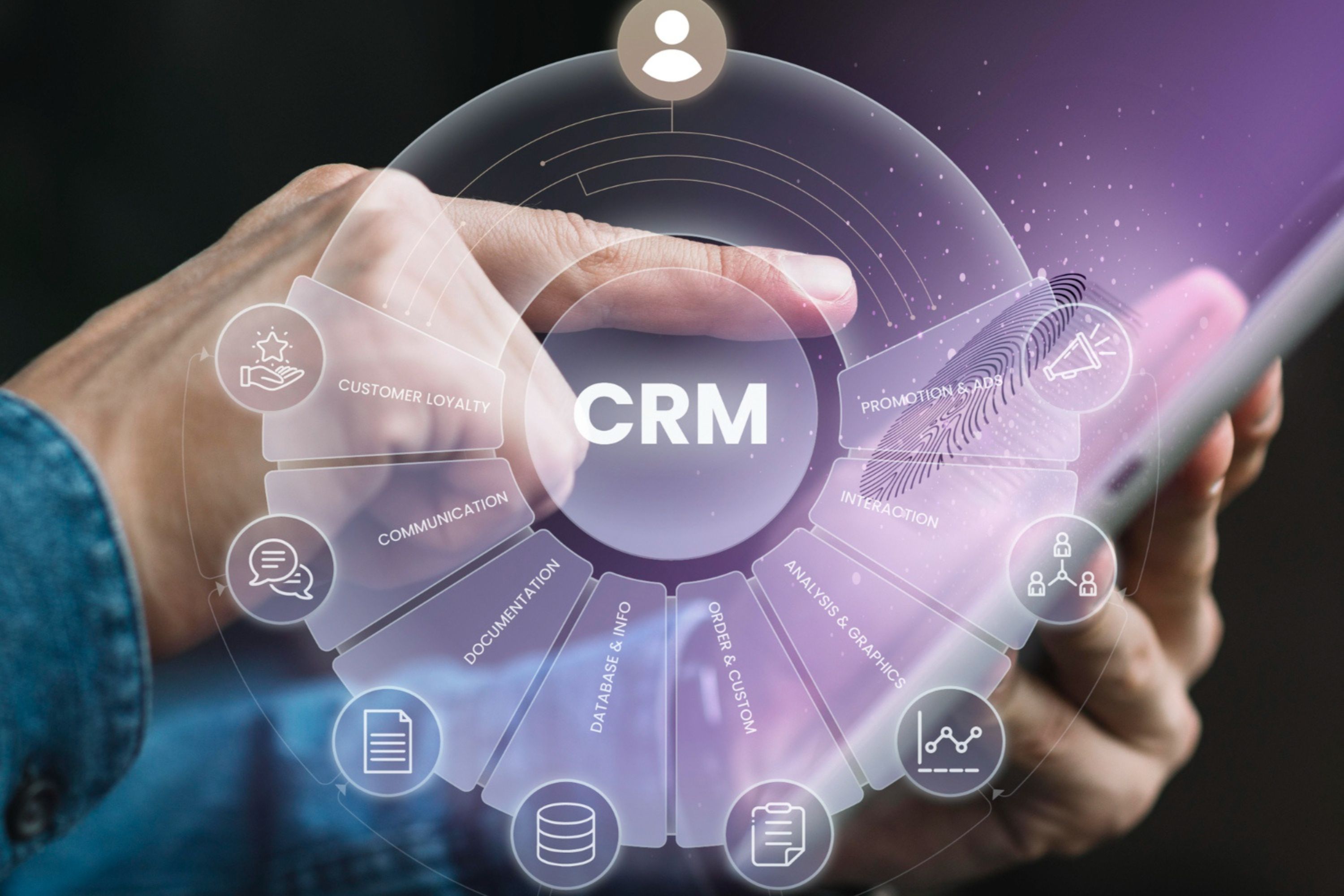
Customer Relationship Management (CRM) refers to the strategies, practices, and technologies used by businesses to manage and analyze their interactions with customers and potential customers. The goal of CRM is to improve customer satisfaction, enhance customer loyalty, and drive business growth.
Here are key aspects of CRM:
1. Customer Data Management:
CRM involves capturing, organizing, and managing customer data. This includes contact information, purchase history, communication history, preferences, and any other relevant data. CRM systems centralize this data, making it easily accessible for analysis and use in customer interactions.
2. Sales and Lead Management:
CRM systems assist in managing the sales pipeline and tracking leads. They enable sales teams to track customer interactions, manage prospects, and monitor sales activities. CRM tools often include features like lead scoring, opportunity management, and sales forecasting to help optimize the sales process.
3. Marketing Automation:
CRM systems integrate with marketing automation tools to streamline marketing activities. This includes managing email campaigns, tracking campaign performance, segmenting customer lists, and personalizing marketing messages. CRM data can be used to create targeted marketing campaigns and track customer responses.
4. Customer Service and Support:
CRM systems help in managing customer service and support interactions. They provide a central repository of customer information, allowing support teams to access relevant data quickly. CRM tools often include ticketing systems, knowledge bases, and customer communication history to enable efficient issue resolution and personalized support.
5. Customer Analytics:
CRM systems provide analytical capabilities to gain insights into customer behavior and preferences. They allow businesses to analyze customer data, identify trends, and segment customers based on various criteria. These insights help in making informed business decisions, improving marketing strategies, and delivering personalized customer experiences.
6. Workflow Automation:
CRM systems automate repetitive tasks and workflows, reducing manual effort and improving efficiency. This includes automating lead assignment, follow-ups, reminders, and notifications. Workflow automation helps ensure consistent and timely customer engagement.
7. Relationship Building and Personalization:
CRM systems facilitate relationship building by providing a comprehensive view of customers. This allows businesses to personalize interactions, understand customer preferences, and deliver targeted offers and recommendations. Personalization enhances the customer experience and fosters long-term customer relationships.
8. Data Security and Privacy:
CRM systems handle sensitive customer data, so ensuring data security and privacy is critical. Businesses must implement appropriate security measures to protect customer information, comply with data protection regulations, and gain customer trust.
Frequently Asked Question
Q: What are the benefits of implementing an ERP system?
A: Improved efficiency: ERP systems automate repetitive tasks, streamline workflows, and reduce manual data entry, leading to increased operational efficiency.
B: Enhanced data accuracy: With a centralized database, ERP systems ensure data consistency and integrity, minimizing errors and duplications.
C: Better decision-making: ERP systems provide real-time data and analytics, enabling informed decision-making based on accurate and up-to-date information.
D: Cost savings: By optimizing processes and improving efficiency, ERP systems can help reduce costs associated with inventory management, procurement, and other operational areas.
Q: Should an organization choose an on-premises or cloud-based ERP system?
A: The choice between on-premises and cloud-based ERP systems depends on various factors, including the organization's size, budget, scalability requirements, and data security considerations.
Q: How can ERP systems support scalability as businesses grow?
B: ERP systems can support scalability by providing flexible architecture and modular design. They can accommodate the changing needs of growing businesses by allowing the addition or removal of modules or functionalities as required.