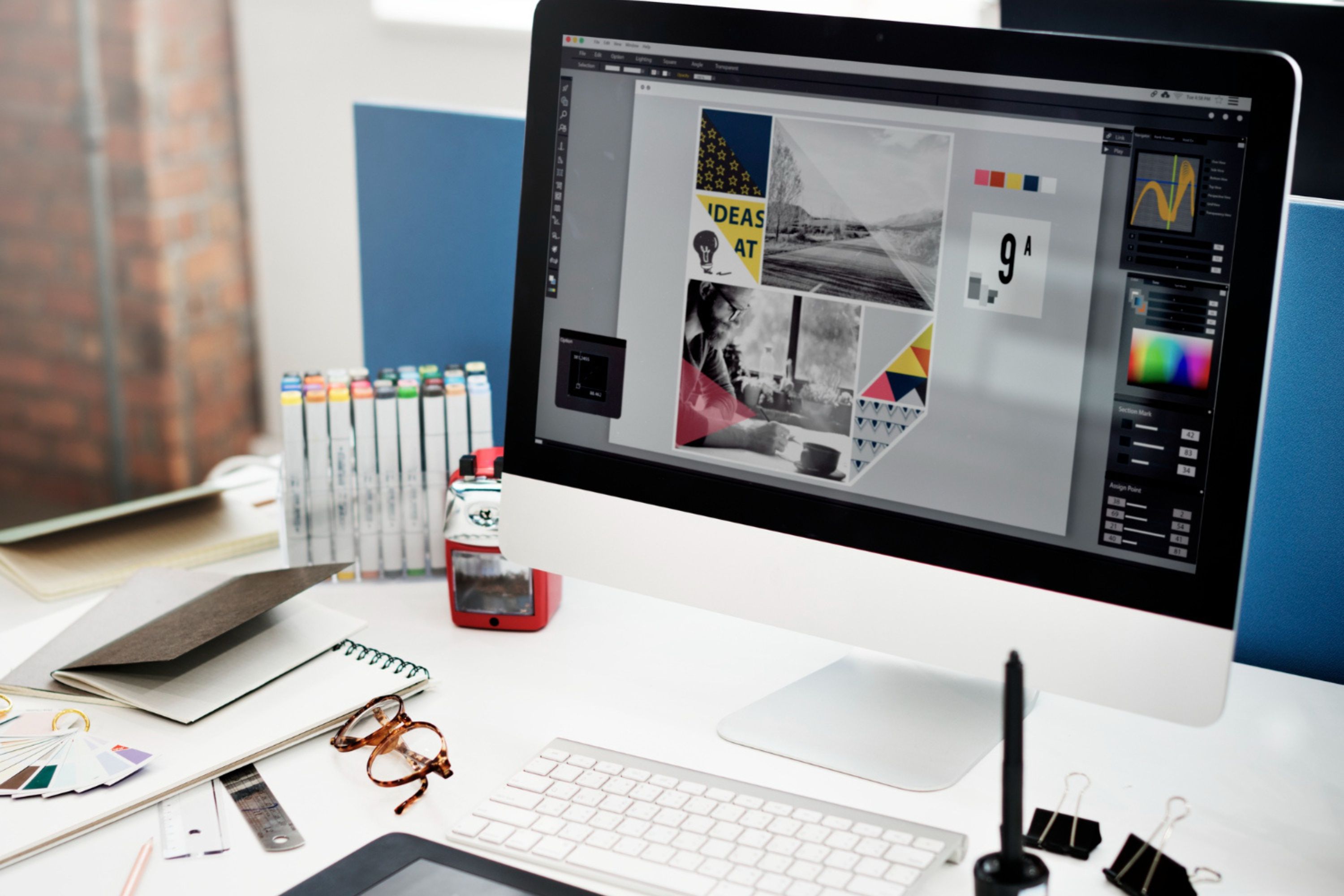
Intro :
Graphic design refers to the art and practice of visual communication through the use of images, typography, colors, and layout techniques. Graphic designers create and combine these elements to convey messages, evoke emotions, and communicate information effectively.
Here are key aspects of Graphic Designing:
1. Visual Identity and Branding:
Graphic designers play a crucial role in developing visual identities and branding materials for businesses. They create logos, color palettes, typography guidelines, and other visual elements that represent the brand's personality and differentiate it from competitors.
2. Print Design:
Graphic designers create designs for various print materials, such as brochures, flyers, business cards, posters, banners, packaging, and more. They consider the layout, typography, colors, and imagery to create visually appealing and informative designs that align with the purpose and target audience of the print piece.
3. Web Design:
Graphic designers contribute to web design by creating visually engaging website layouts, icons, buttons, and other graphical elements. They consider user experience (UX) principles and ensure that the design elements are consistent with the brand's visual identity.
4. Advertising and Marketing Collateral:
Graphic designers create visual materials for advertising and marketing campaigns. This includes designing ads for print and digital media, social media graphics, email newsletters, infographics, and other promotional materials. The goal is to attract attention, convey the message effectively, and drive desired actions from the target audience.
5. User Interface (UI) Design:
UI designers work on the visual aspects of user interfaces for digital products such as websites, mobile apps, and software. They focus on creating intuitive layouts, buttons, icons, and other interface elements that enhance usability and provide an engaging user experience.
6. Typography:
Graphic designers select and manipulate fonts to create visually appealing and readable designs. They consider factors such as font styles, sizes, spacing, and hierarchy to ensure that the typography effectively communicates the intended message and enhances the overall design.
7. Image Editing and Manipulation:
Graphic designers use image editing software such as Adobe Photoshop to retouch, enhance, or manipulate images. They adjust colors, remove imperfections, create composite images, and optimize visuals for various purposes, including print and digital media.
Graphic design is a versatile field with applications in various industries. It combines creativity, artistic skills, and technical knowledge to create visually compelling designs that effectively communicate messages and engage audiences.