Intro :
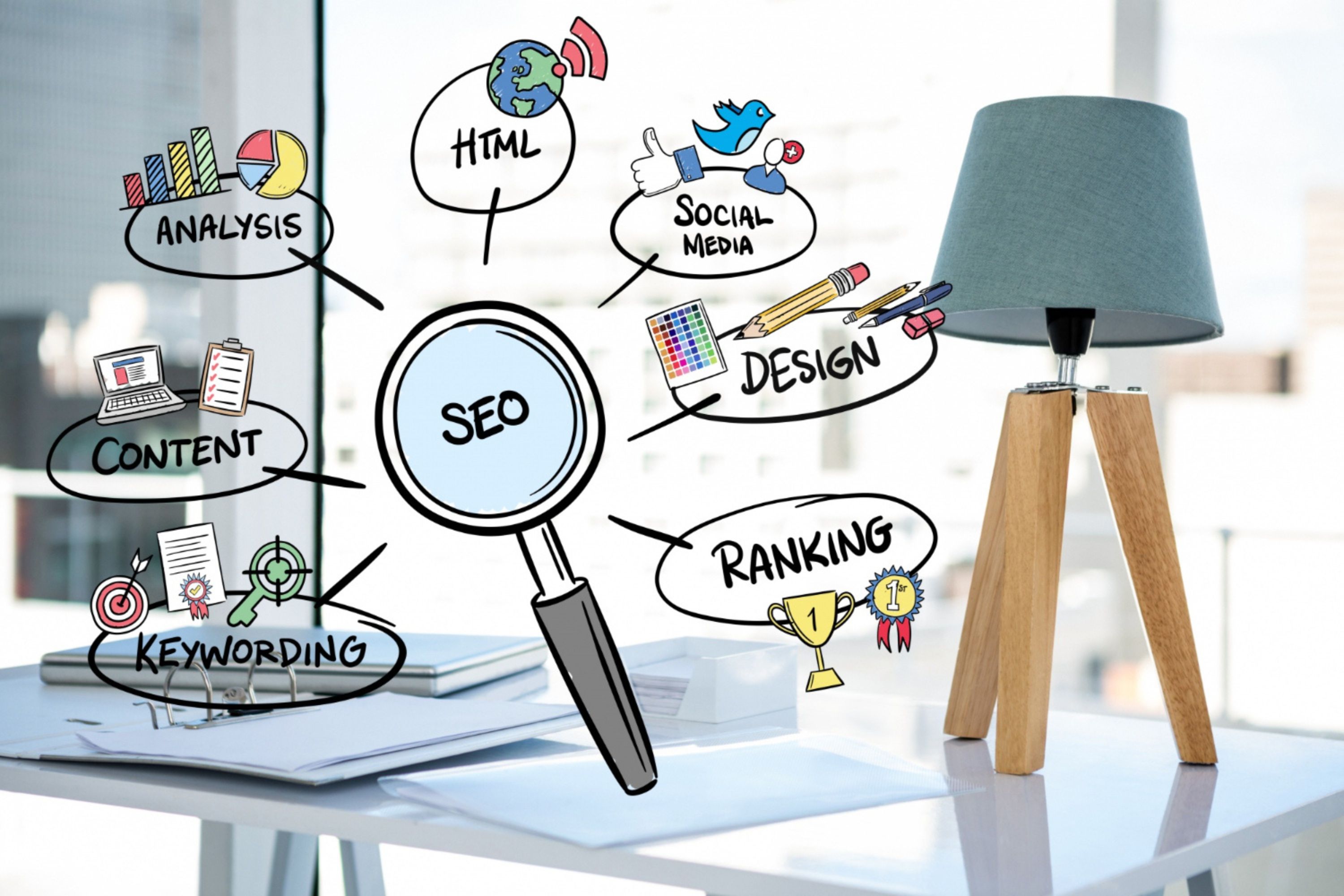
SEO stands for Search Engine Optimization, which is the practice of optimizing a website to improve its visibility and rankings in search engine results pages (SERPs). The goal of SEO is to drive organic (non-paid) traffic to a website by increasing its visibility to search engine users.
Here are some key aspects of SEO:
1. Keyword Research:
Keyword research involves identifying the search terms and phrases that users are likely to use when searching for information related to a website's content. By targeting relevant keywords, website owners can optimize their content to match the search intent of their target audience.
2. On-Page Optimization:
On-page optimization refers to optimizing the elements within a website to make it more search engine friendly. This includes optimizing meta tags (title tags, meta descriptions), headers, URL structure, image alt tags, and keyword placement within the content. On-page optimization helps search engines understand the relevance and context of the website's content.
3. Content Creation:
Creating high-quality, relevant, and engaging content is crucial for SEO. Search engines value fresh and informative content that addresses users' search queries. By creating content that satisfies user intent and incorporates targeted keywords, website owners can increase their chances of ranking higher in search results.
4. Technical SEO:
Technical SEO focuses on the technical aspects of a website that impact its visibility to search engines. This includes optimizing website loading speed, ensuring mobile-friendliness and responsive design, improving website architecture and navigation, and implementing proper URL structures. Technical SEO ensures that search engine crawlers can easily access and understand the website's content.
5. Link Building:
Link building is the process of acquiring high-quality, relevant backlinks from other websites to improve a website's authority and credibility. Backlinks are seen as votes of confidence from other websites, and search engines consider them as a ranking factor. However, it's important to focus on quality over quantity, as spammy or low-quality backlinks can have a negative impact on SEO.
6. User Experience:
User experience (UX) plays a significant role in SEO. Search engines aim to provide the best possible results to their users, and websites that offer a positive user experience are more likely to rank higher. Factors that contribute to a good UX include fast page load times, easy navigation, mobile optimization, clear and engaging content, and intuitive design.
7. Local SEO:
For businesses targeting local customers, local SEO is crucial. It involves optimizing a website to appear in local search results and on map listings. This includes optimizing Google My Business profiles, obtaining online reviews, and ensuring consistent business information (name, address, phone number) across directories and listings.
8. Analytics and Monitoring:
Monitoring and analyzing website performance is essential for effective SEO. By using tools like Google Analytics, website owners can track organic traffic, keyword rankings, user behavior, and other metrics. This data helps in identifying areas for improvement and measuring the success of SEO efforts
It's important to note that SEO is an ongoing process, as search engine algorithms and user behavior evolve over time. Staying updated with the latest SEO practices and trends is crucial for maintaining and improving website visibility and rankings in search engine results.
Frequently Asked Question
Q: Why is SEO important?
A: SEO is important because the majority of web traffic comes from search engines. Higher search engine rankings can lead to increased visibility, more website traffic, and potential customers. SEO helps businesses improve their online presence, reach their target audience, and outperform competitors in search results.
Q: How long does it take to see SEO results?
A: The time it takes to see SEO results can vary depending on various factors such as website age, competition, keyword difficulty, and the level of SEO efforts. Generally, it takes several months to see significant improvements in search rankings. SEO is a long-term strategy that requires consistent effort and ongoing optimization.
Q: What are keywords, and how do they affect SEO?
A: Keywords are words or phrases that users enter into search engines when looking for information. They are essential for SEO as they help search engines understand the relevance and content of a website. Effective keyword research and targeting allow businesses to optimize their website's content to match user search intent and improve search rankings.
Q: What is the importance of backlinks in SEO?
A: Backlinks are links from other websites to your website. They are an important ranking factor in SEO. High-quality backlinks from reputable and relevant websites indicate to search engines that your website is trusted and valuable. Building a strong backlink profile through outreach, content marketing, and relationship building can help improve search rankings.
Q: What are keywords, and how do they affect SEO?
A: Keywords are words or phrases that users enter into search engines when looking for information. They are essential for SEO as they help search engines understand the relevance and content of a website. Effective keyword research and targeting allow businesses to optimize their website's content to match user search intent and improve search rankings.
Q: Can social media activity impact SEO?
A: While social media activity does not directly impact search engine rankings, it can indirectly contribute to SEO. Social media helps increase brand visibility, drive website traffic, and improve brand reputation. Social sharing of content can lead to increased backlinks and mentions, which can positively affect search rankings.
Q: What is the importance of backlinks in SEO?
A: Backlinks are links from other websites to your website. They are an important ranking factor in SEO. High-quality backlinks from reputable and relevant websites indicate to search engines that your website is trusted and valuable. Building a strong backlink profile through outreach, content marketing, and relationship building can help improve search rankings.
Q: How can I measure the success of my SEO efforts?
A: Measuring SEO success involves tracking and analyzing various metrics. Key metrics include organic website traffic, keyword rankings, click-through rates (CTR), conversion rates, bounce rates, and engagement metrics. Tools like Google Analytics, Google Search Console, and other SEO analytics platforms can provide valuable insights into SEO performance.